












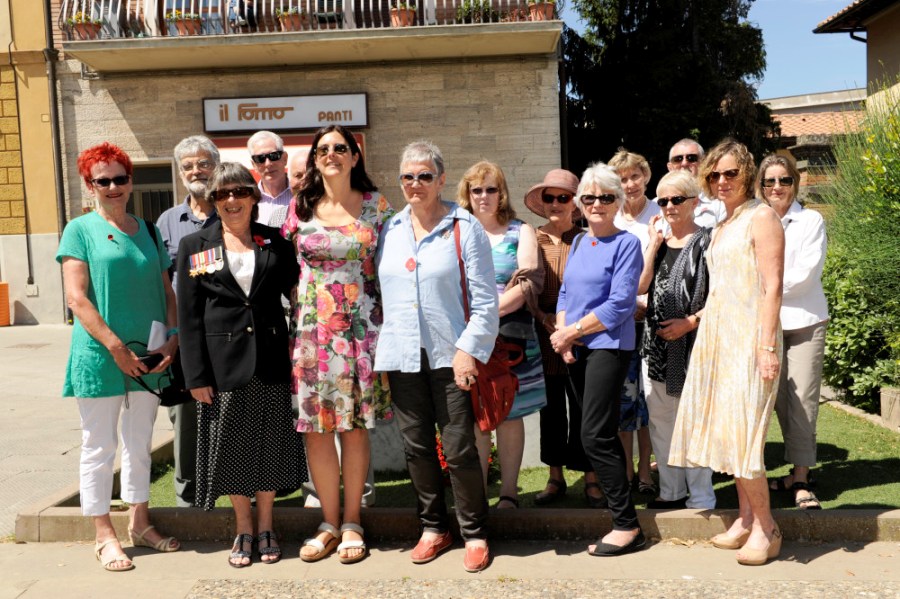
CHIANTI FIORENTINO – Continuano le visite da parte di gruppi neozelandesi nel Chianti fiorentino, per quelli che ormai sono veri e propri tour della memoria, legati alla guerra di liberazione dall’occupazione nazifascista nel nostro territorio.
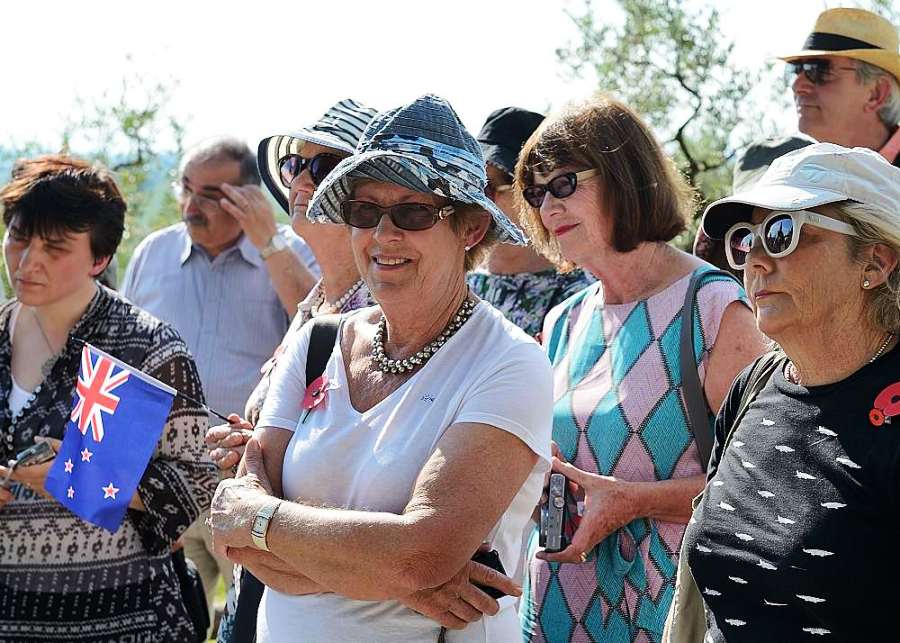
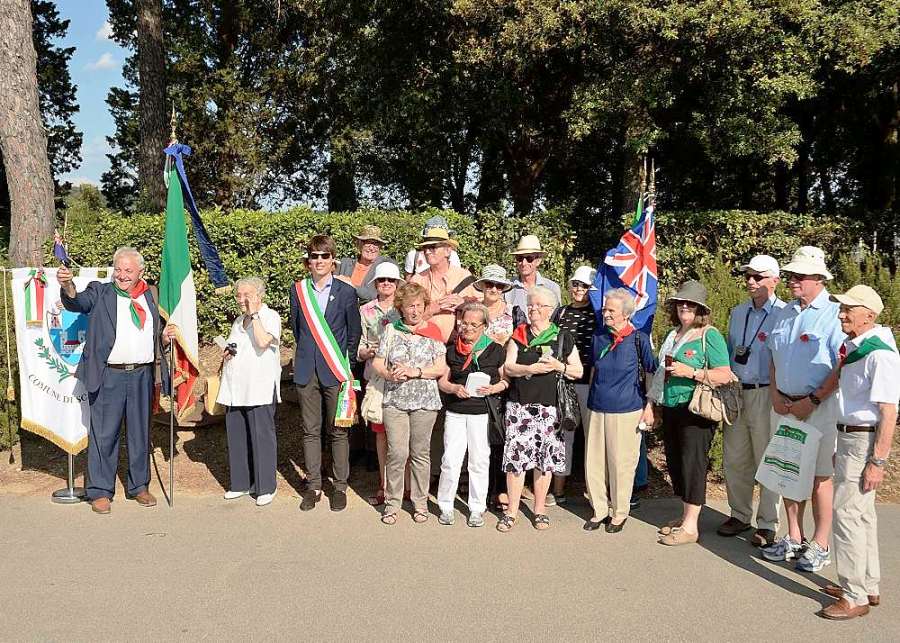
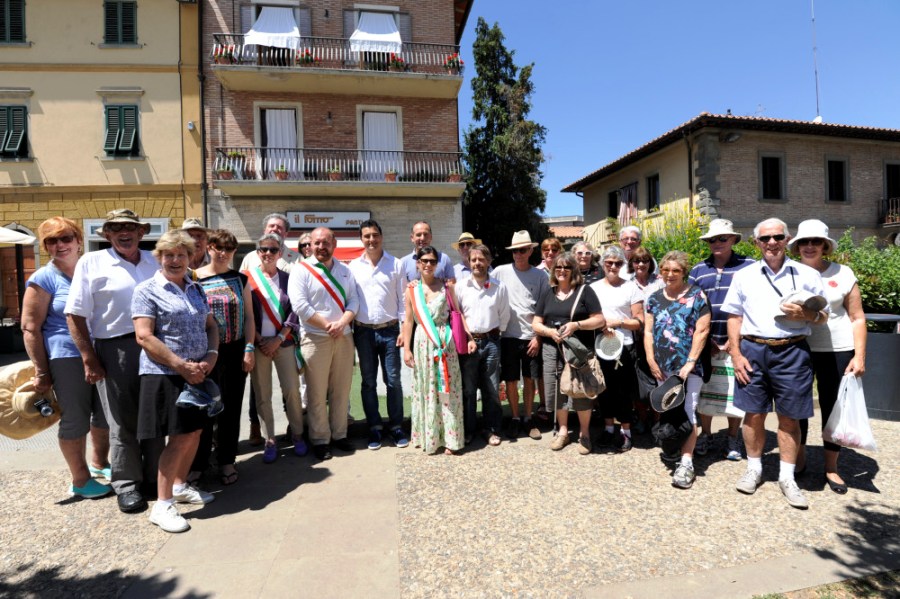
Anche lo scorso fine settimana un nuovo gruppo di 17 persone, organizzato da David Mc Gregor e Rebecca Macky (di Brigadier Tours), ha ripercorso l’avanzata delle truppe neozelandesi nel luglio ’44.

Lo ha fatto nei luoghi dove vi furono le battaglie più decisive contro le truppe tedesche, gli scontri più cruenti e le maggiori perdite e distruzioni, durante la liberazione del Chianti e della città di Firenze.
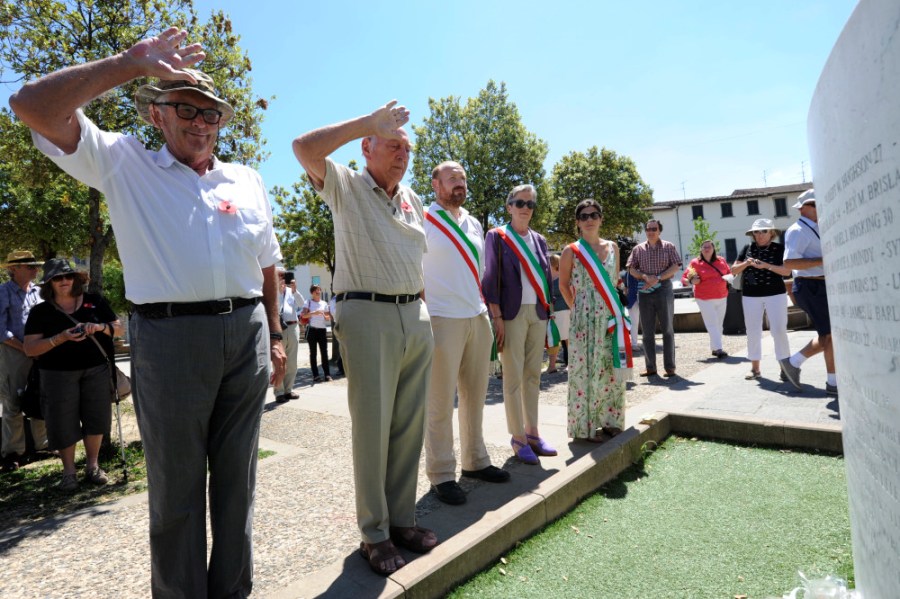
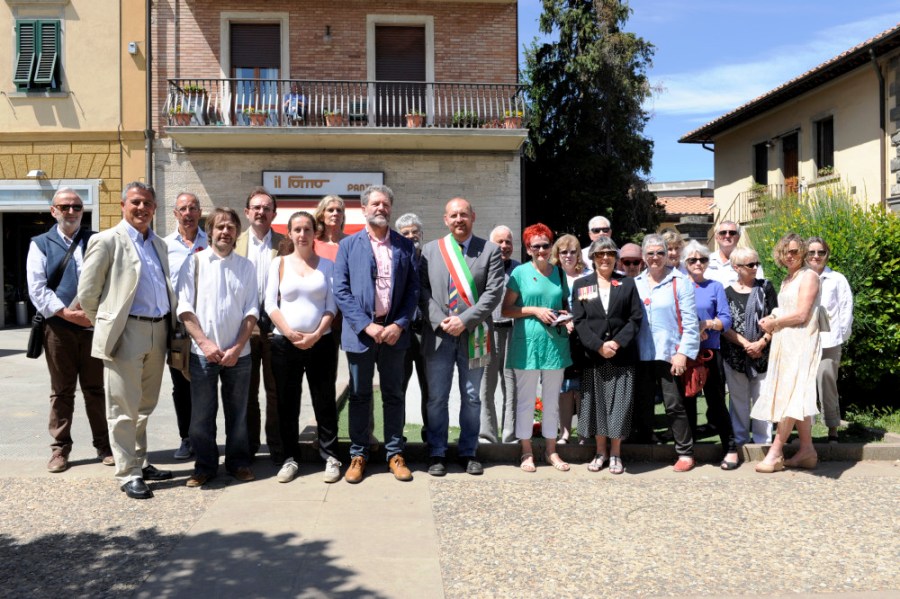
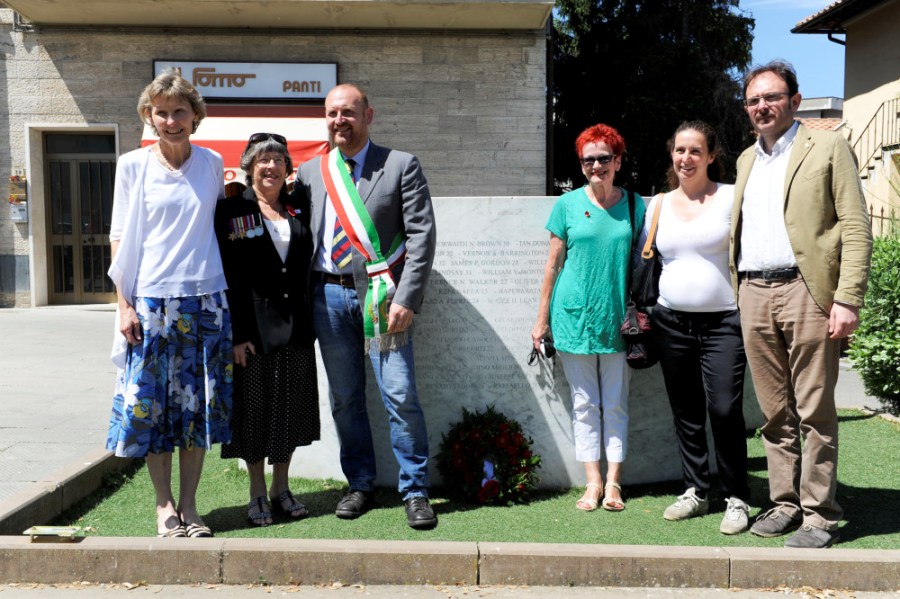
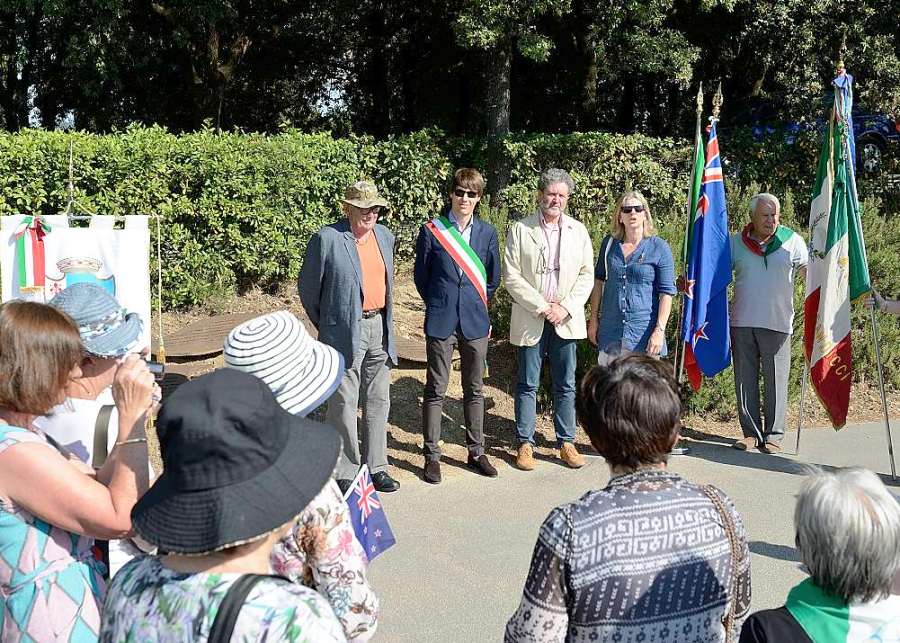
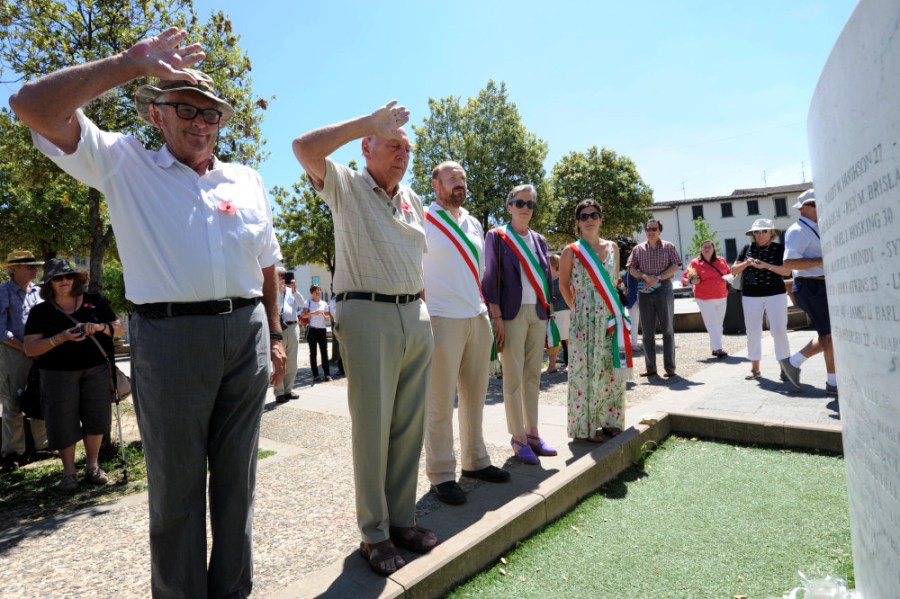
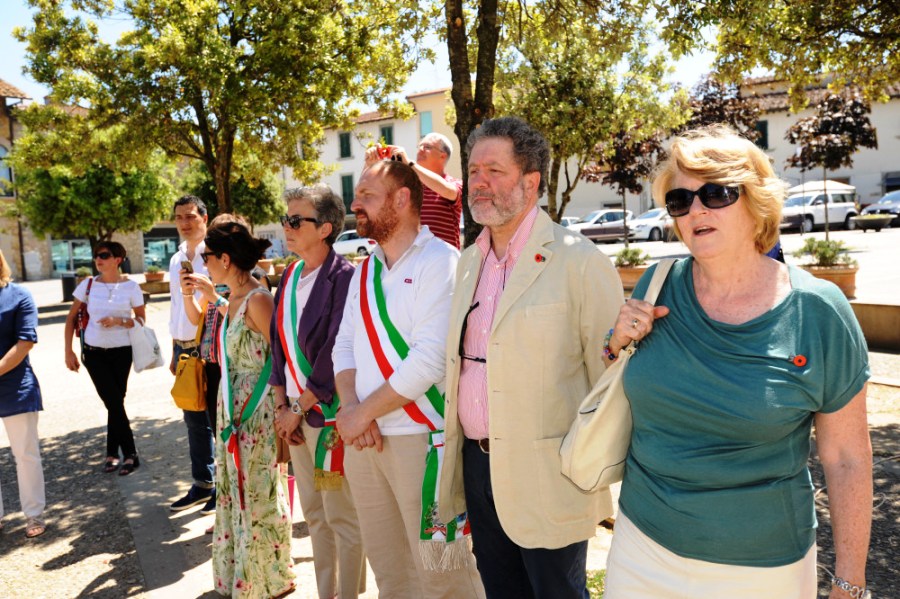
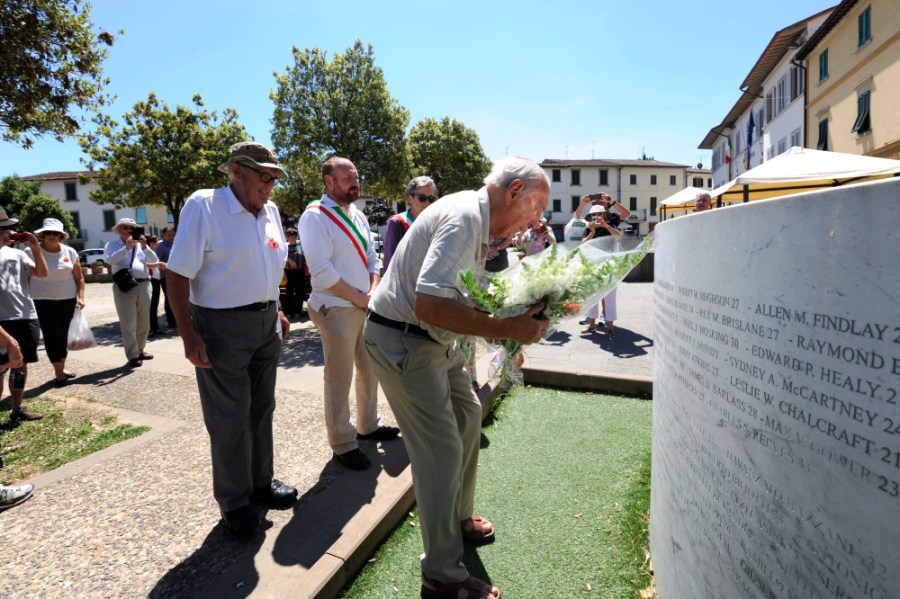
Gli incontri sono iniziati sabato 6 giugno a Tavarnelle, in piazza Matteotti, con la cerimonia al monumento ai caduti alla presenza del sindaco tavarnellino David Baroncelli, dell'assessore di Barberino Elena Borri e del vicesindaco di San Casciano Donatella Viviani.
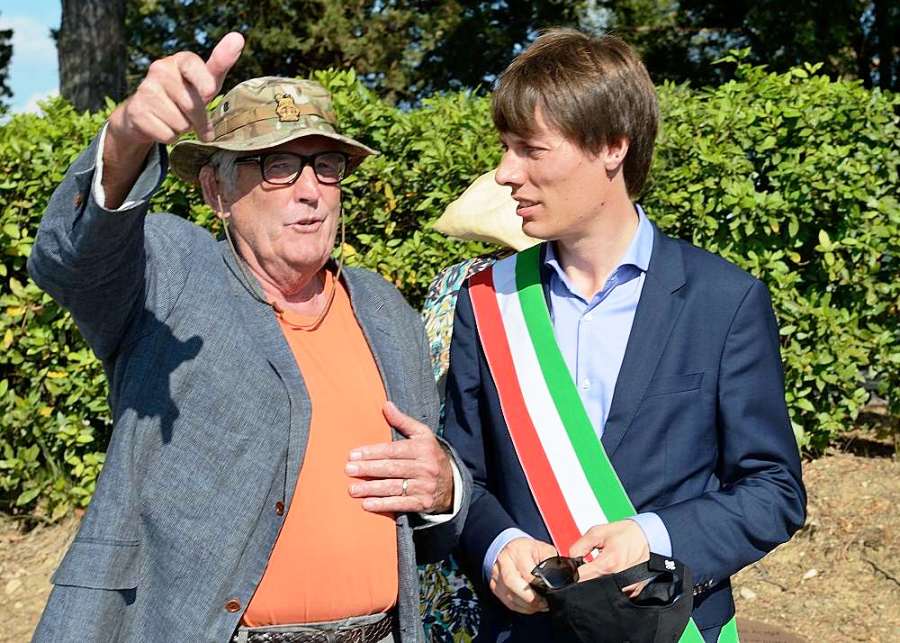
Nel pomeriggio poi, si è tenuta la cerimonia al monumento dedicato ai soldati neozelandesi a San Michele a Torri (nel comune di Scandicci) con la presenza del presidente consiglio comunale scandiccese Daniele Lanini; e con la partecipazione delle Associazioni Partigiani e Reduci.
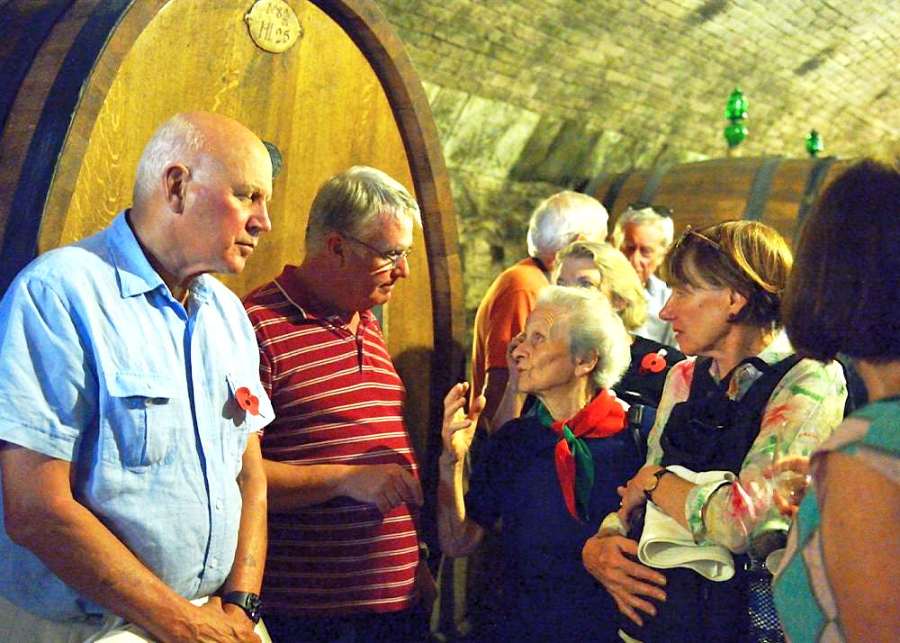
A seguire un incontro nella fattoria con le testimoni di quei giorni terribili: Loretta Verdiani e Antonietta Reggioli, che hanno raccontato dei drammatici momenti passati dentro le cantine durante i pesanti scontri fra i soldati tedeschi e neozelandesi.
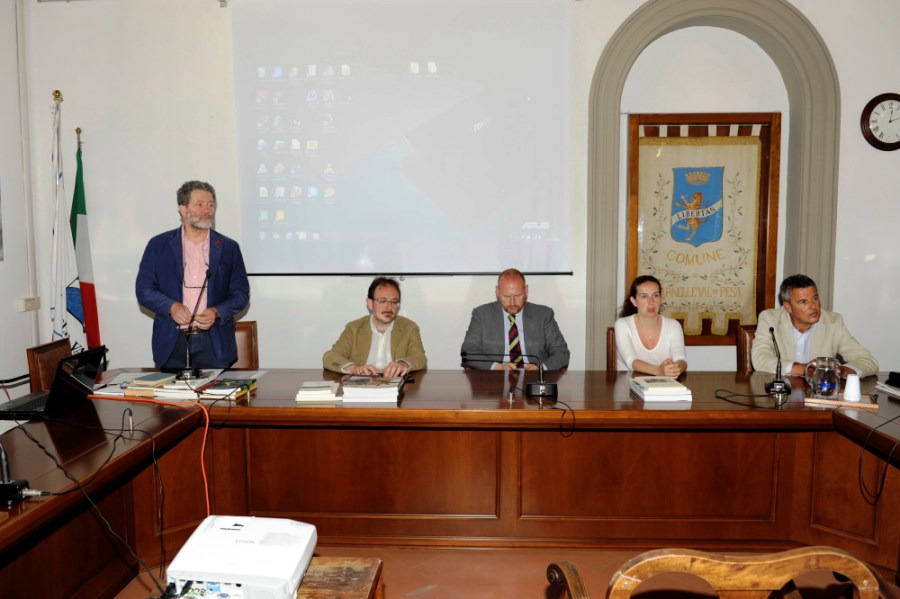
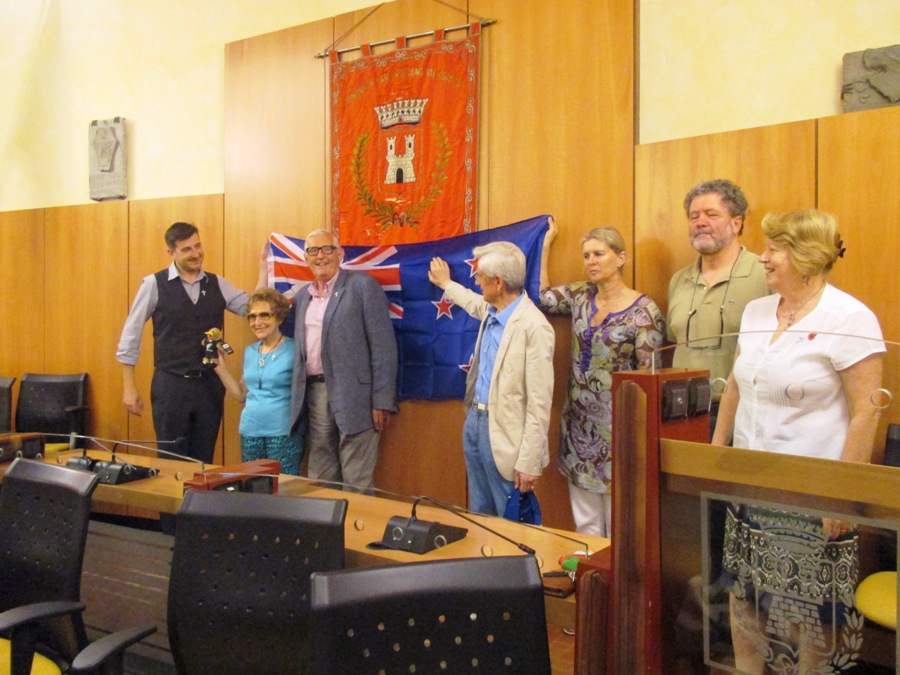
Domenica 7 giugno si è svolto l’incontro ufficiale nella sala consiliare del Comune di San Casciano, con l’assessore Roberto Ciappi e due testimoni molto attivi nelle attività sulla tutela della memoria, come Rosanna Tacci e Silvano Callaioli.
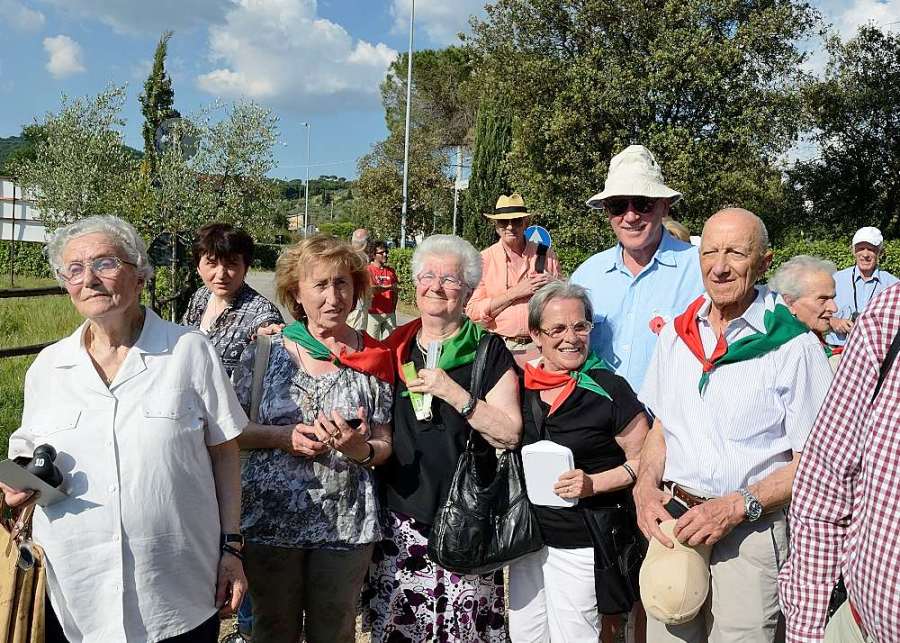
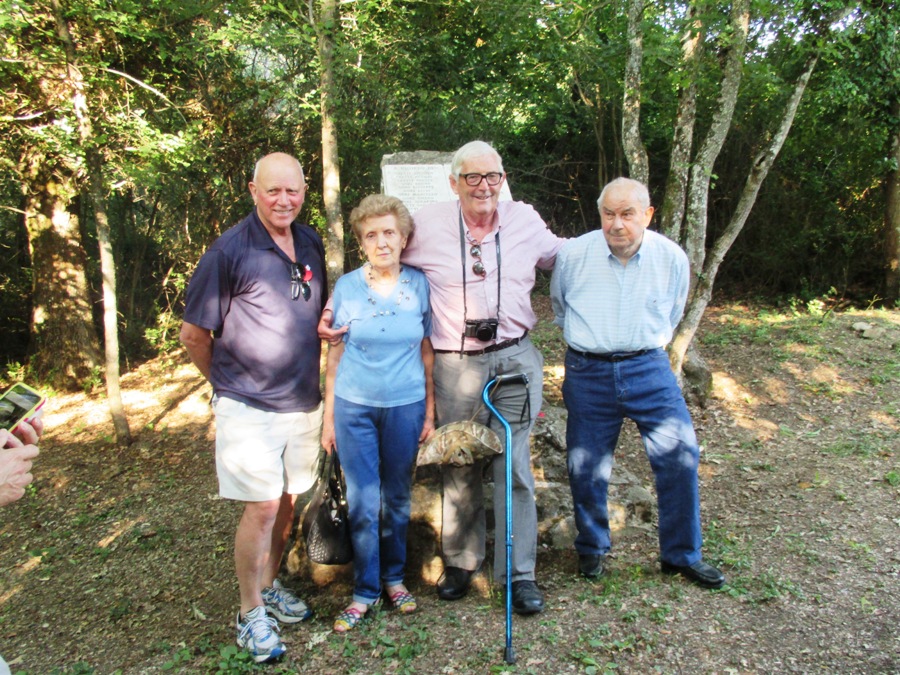
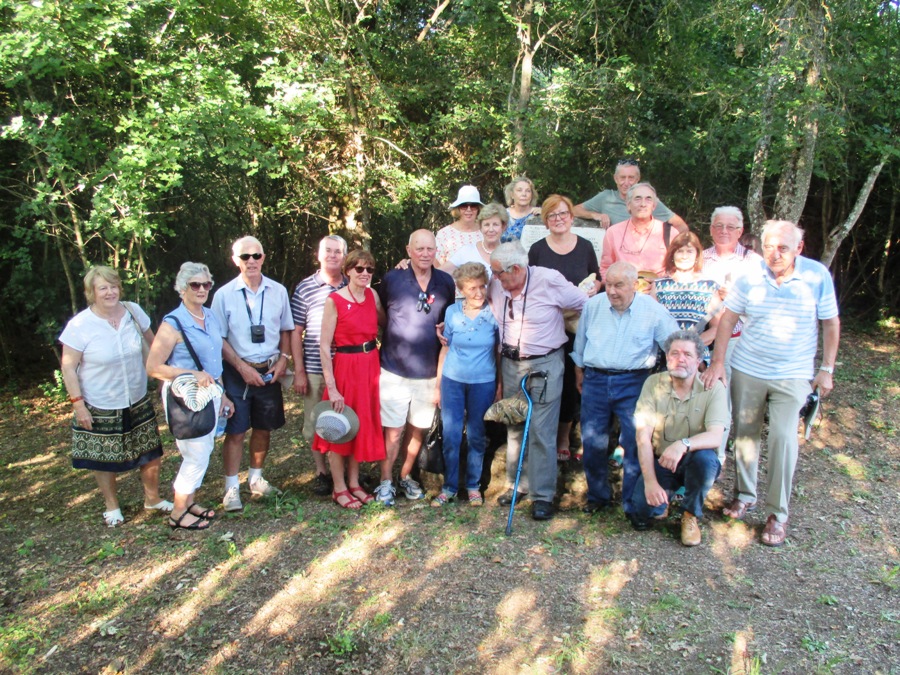
Il gruppo ha voluto visitare anche uno dei luoghi più simbolici e tragici della Liberazione nel nostro territorio: la radura di Pratale, dove furono uccisi 12 contadini da una pattuglia di tedeschi appena un’ora prima della liberazione.
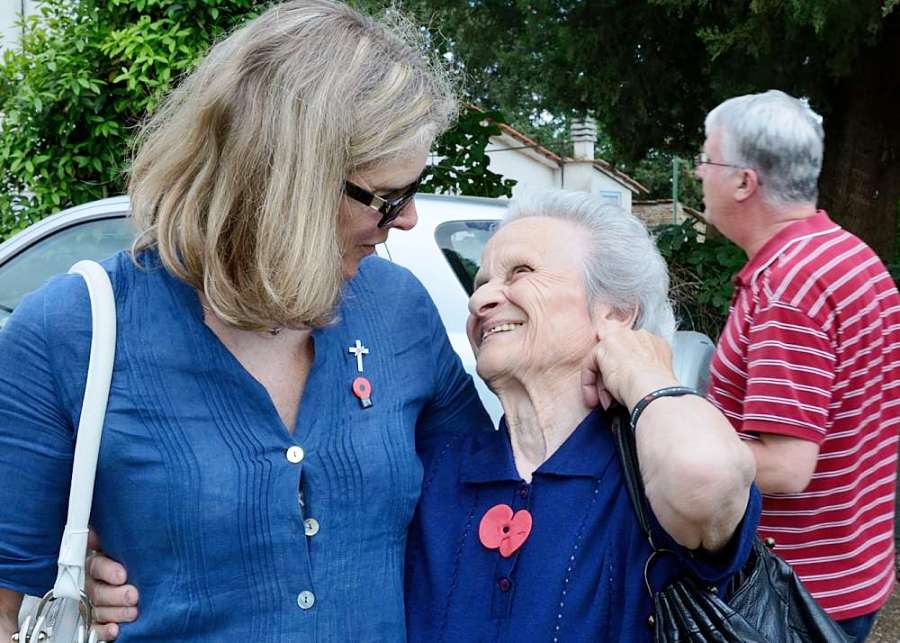
Accanto al monumento dedicato ai dodici martiri, i visitatori neozelandesi hanno incontrato e ricordato con Mirella Lotti, figlia di una delle persone uccise, e suo marito Francesco Vermigli questo efferato eccidio sul quale solo negli ultimi anni, grazie all'impegno delle amministrazioni comunali (in particolare di Tavarnelle) si è sollevato il velo.
Ad accompagnare e guidare i gruppi neozelandesi in questi tour sono Stefano Fusi ex sindaco di Tavarnelle) e sua moglie Jill Gabriel (italo/neozelandese), che da molti anni lavorano e promuovono, in stretta collaborazione con le amministrazioni comunali di Barberino, Tavarnelle, San Casciano, Montespertoli e Scandicci, attività, ricerche, hanno curato pubblicazioni e video e stretto forti legami e relazioni con istituzioni, associazioni e gruppi neozelandesi.
“E’ molto importante – dice Stefano Fusi – continuare e consolidare queste relazioni con il popolo neozelandese. Per troppo tempo si è creduto che ad aver liberato i nostri territori fossero stati gli americani. Grazie al lavoro fatto in questi anni si è arrivati a stabilire la correttezza storica e il pieno riconoscimento di tanti giovani soldati che hanno combattuto e hanno dato la vita per liberarci".
"Quasi 300 soldati neozelandesi furono uccisi – ricorda – e 1.000 feriti per liberare il territorio fiorentino e la città di Firenze".
“Siamo davvero molto soddisfatti – dice David McGregor, uno degli organizzatori del tour – toccati e commossi per quanto abbiamo vissuto in questi giorni. Abbiamo trovato una profonda conoscenza storica ed una fortissima sensibilità e riconoscenza, sia a livello istituzionale che delle comunità locali, verso i soldati neozelandesi e il loro pesante tributo pagato per liberare questi territori".
Un modo davvero unico per mettere in contatto mondi così distanti geograficamente e culturalmente: "Rientreremo in Nuova Zelanda – conclude – portando con noi la gioia di questi giorni molto belli, e ancora più consapevoli di come nel territorio fiorentino si sia combattuto un pezzo importante di storia della Liberazione dell’Italia. Che spesso, anche da noi, viene trascurato. E abbiamo anche preso più coscienza dell’altissimo prezzo pagato dalla popolazione italiana a causa della guerra”.
From New Zealand to Chianti: the tourists in the footsteps of memory
The visits of groups from New Zealand , in the footsteps of their ancestors who liberated us from fascism
CHIANTI – Visits by groups of New Zealanders to the Chianti Fiorentino area continue, on what have become real memory tours linked to the war to liberate our area from Nazi-Fascist occupation.
This past weekend another group of 17 people, organized by David McGregor and Rebecca Macky (from Brigadier Tours) followed the route of the advancement of the New Zealand troops in July '44.
They visited the sites of the most decisive battles against the German troops, the bloodiest fighting and major loses and destruction during the liberation of the Chianti area and the city of Florence.
The meetings began on Saturday 6 June in Piazza Matteotti, Tavarnelle, with a commemoration ceremony at the monument to the fallen in the presence of the Mayor of Tavarnelle, David Baroncelli, Council member Elena Borri from Barberino and the Deputy Mayor of San Casciano Donatella Viviani.
In the afternoon a ceremony was held at the monument dedicated to the New Zealand soldiers in San Michele a Torri (Scandicci) with Daniele Lanini, President of the Scandicci City Council and several members of the Partisans and Veterans Associations.
This was followed by a meeting with two testimonies from those terrible days: Loretta Verdiani and Antonietta Reggioli, who recounted the dramatic moments they spent down in the cellars during the heavy fighting between the German and New Zealand soldiers.
On Sunday 7 June an official meeting had been organized in the Council Chambers in San Casciano, with Council member Roberto Ciappi and two testimonies who are very involved in safeguarding local history – Rosanna Tacci and Silvano Callaioli.
The group had also expressed their desire to visit one of the most symbolic and tragic sites of the Liberation of our territory: the clearing in the woods in Pratale where 12 farmers were killed by a German patrol just one hour before the liberation.
Alongside the monument there, the New Zealand visitors met Mirella Lotti, daughter of one of the persons killed, and her husband Francesco Vermigli, and together they paid honour to this brutal massacre.
It is only recently that a veil has been lifted from this episode, thanks to the efforts of the local Councils (in particular Tavarnelle).
Accompanying and guiding the New Zealanders in this tour were Stefano Fusi, former Mayor of Tavarnelle and his wife Jill Gabriel (Italo-New Zealander) who, in close collaboration with the Town Councils of Barberino, Tavarnelle, San Casciano, Montespertoli and Scandicci, have for many years now worked on and promoted activities, carried out research, published books and videos, as well as establishing strong bonds and relations with the New Zealand institutions, associations and groups.
“It is extremely important – says Stefano Fusi – to continue to consolidate these relations with the New Zealand people. For too long it was believed that our territory was liberated by the Americans. Thanks to the work carried out over the years this part of history has been corrected and full recognition has been awarded to the many young soldiers who fought and gave their lives to liberate us. More than 300 New Zealand soldiers were killed and 1.000 were wounded in the liberation of the Florentine area and the city of Florence”.
“We are really very satisfied – said David McGregor, one of the organizers of the tour – moved and touched by what we have seen over these past few days. We have discovered a profound historical knowledge and an extreme sensibility and acknowledgement, on both an institutional and local community level, towards the New Zealand soldiers and the heavy price they paid to liberate these areas”.
A really unique way to unite two such geographically and culturally distant worlds: “We will return to New Zealand – he concluded – taking with us the joy of these wonderful days, even more aware of how an important part of the history of the Liberation of Italy was fought in the Florentine area which is often, even here in Italy, not given full recognition. We have also more fully appreciated the extremely high price that the Italian people paid because of the war”.
di Matteo Pucci
© RIPRODUZIONE RISERVATA